
 |
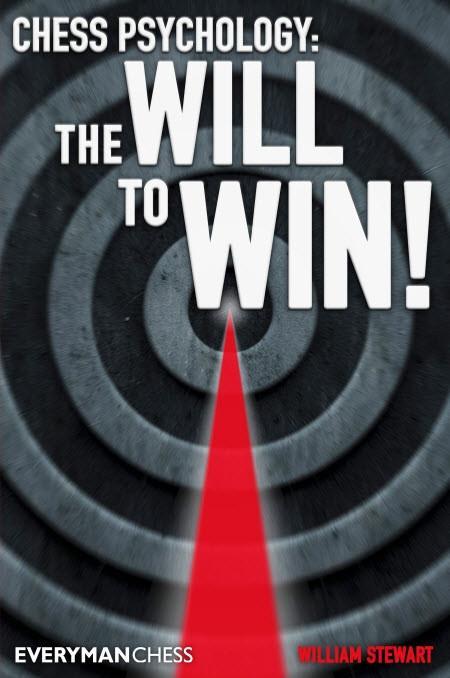
| Chess Psychology: The Will to Win! - Stewart |
Chess Psychology: The Will to Win! - Book Review
That is part of what I like in chess: it is psychological warfare at the board. -Magnus Carlsen during interview with BBC, March 2013
In chess, more than in any other game, battles are won and lost in the mind. US National Master William Stewart is convinced that a positive attitude is crucial if you want to develop and achieve success as a chess player, and in this book he focuses on the vital subject of chess psychology.
All the key areas of chess are covered here. Stewart highlights the principles of successful opening play and outlines an easy-to-learn starting repertoire. He also examines positional play, defensive resilience, typical mistakes and how to avoid them, tournament strategy, clock management, how to study chess and much more besides. This book is packed with tips and practical advice for beginners and intermediate players, and anyone wishing to improve their mental approach to chess.
Features
- An essential guide to chess psychology
- Covers opening, middlegame and endgame play
- Ideal for beginners and intermediate players
Specifications
- 208 Pages
- Paperback
- Publisher: Everyman
- Published: July, 2013
Table of Contents
Introduction
William Stewart's "Chess Psychology: The Will to Win!" delves into the often-overlooked mental aspects of chess. It's not just about knowing the moves; it's about how you think, react, and strategize mentally during a game. This book aims to give players of all skill levels an edge by understanding the psychological factors that influence their performance.
About the Author
William Stewart is a US National Master with years of experience both playing and teaching chess. His insights come from a deep understanding of the game and a recognition of the importance of mental fortitude. He translates complex psychological principles into practical advice that can be easily applied by players of varying strengths. Consider complementing your reading with an online course to sharpen your skills, such as the one available here.
Key Concepts Explored
The book covers a wide range of topics, from developing a positive attitude and managing tilt to understanding your opponent's psychology. Stewart examines how to handle pressure, make effective decisions under time constraints, and learn from mistakes. He also provides guidance on building a solid opening repertoire and improving positional play. Stewart emphasizes the importance of defensive play, which many players tend to overlook. He dedicates an entire chapter to defensive resilience, teaching you how to stay calm and collected even when you are under attack. You can also explore similar topics on this website.
The book also delves into common chess mistakes and provides you the strategy to avoid them. In addition to this, it explains effective techniques for tournament strategy, clock management, and study habits.
You can find this book on eBay.com and eBay.co.uk.
Opening Play and Repertoire
Stewart provides a concise and practical approach to opening play, offering an easy-to-learn starting repertoire. This is especially beneficial for beginners who are often overwhelmed by the vast number of opening variations.
Positional Play and Defense
The book highlights the importance of solid positional play and defensive resilience. It teaches readers how to build strong defenses and avoid common tactical traps. To save even more on chess resources, use Letyshop for cashback!
Who Should Read This Book?
This book is ideal for beginner and intermediate chess players who are looking to improve their mental approach to the game. It's also valuable for more advanced players who want to fine-tune their psychological strategies. If you're looking for some chess deals, check this Temu offer.
Overall Assessment
"Chess Psychology: The Will to Win!" is a valuable resource for any chess player looking to enhance their mental game. Stewart's clear and concise writing style, combined with practical advice and real-world examples, makes this book an essential addition to any chess library. For more books like this, check out Chess Psychology: The Will to Win!
You can always explore new strategies to improve your game. Consider this chess promotion.
Frequently Asked Questions About Chess Psychology
Why is chess psychology important?
Chess psychology is crucial because it addresses the mental and emotional aspects of the game that can significantly impact performance. Even with strong technical skills, a player can falter due to factors like pressure, anxiety, or a lack of focus. Understanding chess psychology helps players manage these challenges, maintain composure, and make better decisions under stress. It enables you to anticipate your opponent's moves, exploit their weaknesses, and stay resilient in the face of adversity. Chess psychology is the key to transforming potential into consistent, winning results.
How can I improve my mental resilience during a chess game?
Improving mental resilience requires a combination of awareness and practical strategies. First, practice mindfulness to stay present and focused during the game. Recognize and acknowledge your emotions without letting them control you. Develop positive self-talk to boost your confidence and maintain a constructive mindset. Learn to handle setbacks by viewing them as learning opportunities rather than failures. Take regular breaks during long games to refresh your mind. Implement relaxation techniques like deep breathing to manage stress. By consistently applying these methods, you can cultivate a resilient mental state that allows you to perform at your best, even under pressure. Another tip is looking at Temu offers.
What are some common psychological mistakes chess players make?
Common psychological mistakes in chess include tilting after a setback, which leads to impulsive decisions and further errors. Another mistake is underestimating or overestimating your opponent, which can result in complacency or unnecessary fear. Failing to manage time effectively due to anxiety is also a common issue. Some players become overly focused on the outcome rather than the process, leading to increased stress and poor decision-making. Additionally, lacking self-awareness and failing to recognize your emotional state can hinder your ability to make rational choices. By being mindful of these common pitfalls, you can take steps to avoid them and improve your overall mental game.
How does time management relate to chess psychology?
Time management is intricately linked to chess psychology because it involves making strategic decisions under pressure. Poor time management can lead to increased anxiety and rushed moves, which often result in mistakes. Understanding how to allocate your time effectively requires assessing the complexity of the position and anticipating your opponent's potential moves. Psychological factors like fear of losing or perfectionism can also influence time management decisions, causing players to spend too much time on less critical moves or rush through important calculations. By developing strong time management skills and recognizing the psychological factors that impact your decisions, you can improve your overall performance and maintain composure in critical situations.
Can studying chess psychology help beginners?
Yes, studying chess psychology can be highly beneficial for beginners. It helps them develop a positive mindset, manage their emotions, and build confidence, which are essential for long-term improvement. Understanding basic psychological principles can also assist beginners in making better decisions, managing time effectively, and learning from their mistakes. By focusing on the mental aspects of the game from the start, beginners can establish a solid foundation for future success and avoid common pitfalls that can hinder their progress.
Ready to take your chess game to the next level? Share your thoughts in the comments below or share this review with fellow chess enthusiasts!


0 Comentarios